

Struggling to wind down at night? Essential oils can be a powerful, natural way to support relaxation and improve sleep quality without medication. These plant-derived oils interact with the nervous system and can help reduce stress, calm the mind, and prepare your body for deep, restorative rest.
In this guide, you’ll discover the best essential oils for sleep, how they work, and practical ways to use them safely as part of a healthy nighttime routine.
How Essential Oils Affect Sleep Quality
Research suggests that certain essential oils may influence the brain’s limbic system, which plays a role in emotions and relaxation. When used properly, they can help reduce stress and facilitate a smooth transition into sleep. According to the Sleep Foundation and the Cleveland Clinic, aromatherapy with specific oils like lavender and chamomile is commonly recommended as a complementary approach to improve sleep and calm the nervous system.
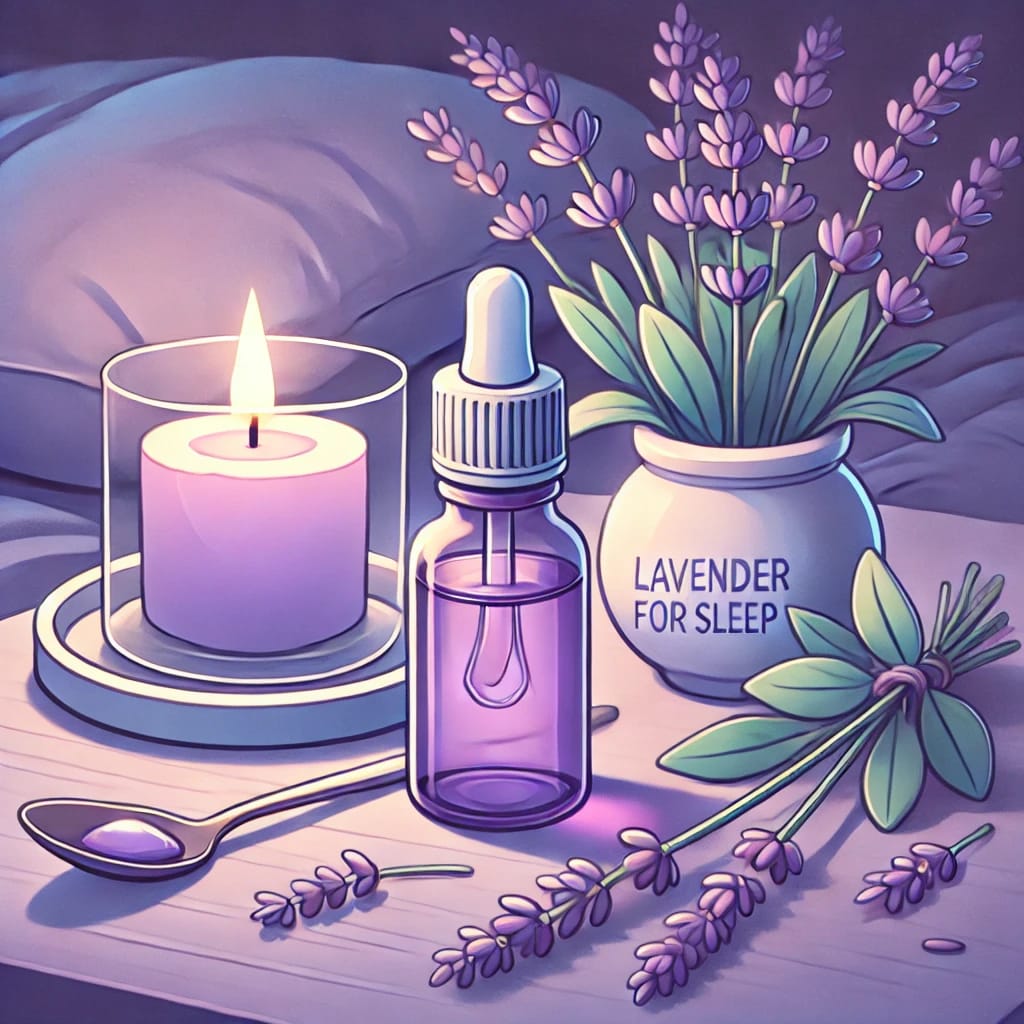
1. Lavender Oil
Lavender is one of the most popular essential oils for sleep. Its soothing aroma promotes relaxation and reduces anxiety, making it easier to fall asleep.
How to use:
Add a few drops to your pillow or use it in a diffuser before bedtime.

2. Chamomile Oil
Chamomile oil is well-known for its calming properties. It helps ease tension and promotes a peaceful state of mind.
Quick tip:
Mix with a carrier oil and apply to your wrists or temples for a soothing effect.

3. Cedarwood Oil
Cedarwood oil has a warm, woodsy scent that encourages tranquillity. It’s perfect for grounding the mind after a hectic day.
How to use:
Diffuse cedarwood oil in your bedroom or mix it with carrier oil for a relaxing massage.
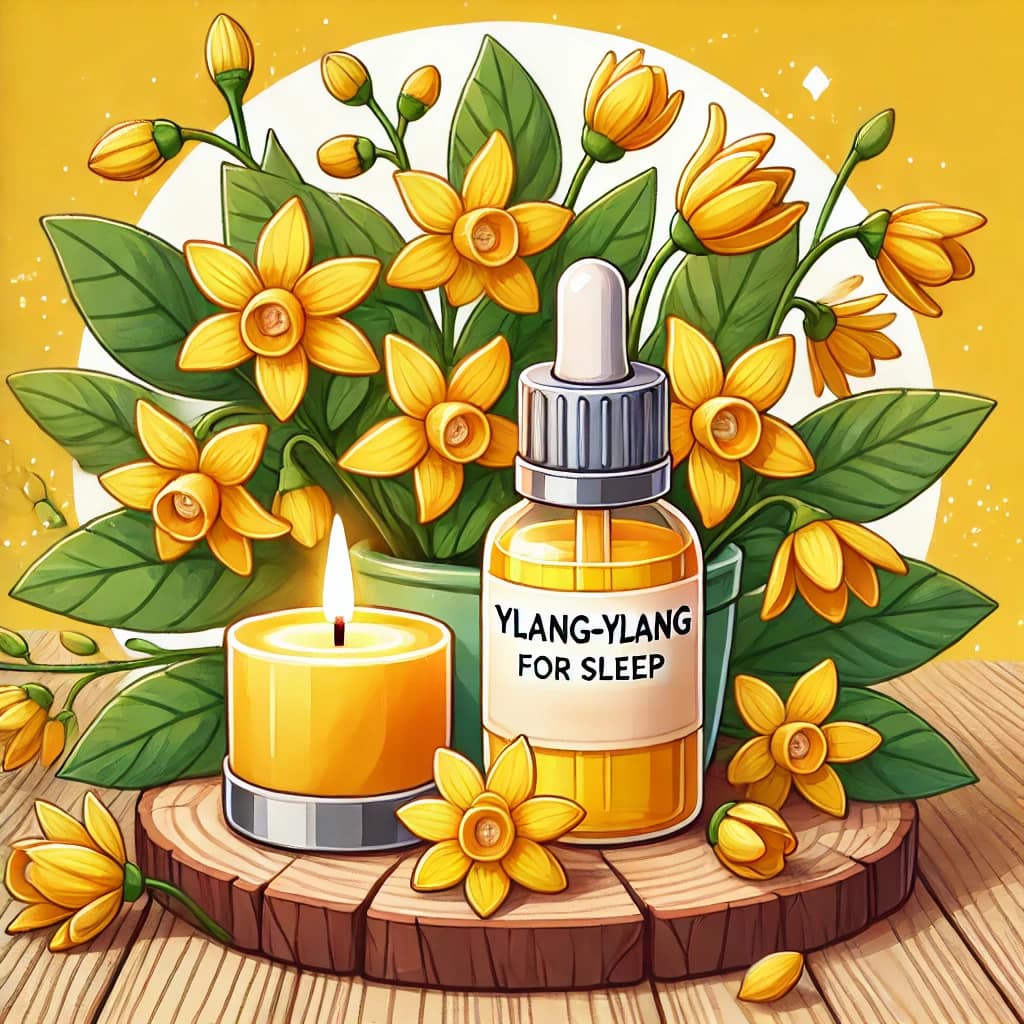
4. Ylang-Ylang Oil
Ylang-ylang oil is a fragrant option that helps reduce stress and lower blood pressure. Its sweet aroma creates a calming atmosphere for better sleep.
Pro Tip:
Blend ylang-ylang with lavender for an enhanced sleep-promoting effect.

5. Bergamot Oil
Bergamot oil has a citrusy scent that balances emotions and prepares your mind for rest. Unlike other citrus oils, bergamot is non-stimulating.
Best use:
Diffuse in the evening to create a serene environment.
6. Sandalwood Oil
Sandalwood has a rich, warm scent long used in traditional medicine for promoting calm and mental clarity before rest. Unlike stimulating oils, sandalwood slows mental chatter, making it ideal when racing thoughts keep you awake.
How to use: Diffuse 3–4 drops 30 minutes before bed, or mix with a carrier oil and apply to the soles of your feet.
7. Vetiver Oil
Vetiver is one of the most grounding essential oils available. Its deep, earthy aroma is associated with reducing anxiety and nervous tension. Preliminary studies suggest it may support healthy sleep cycles, particularly in those dealing with stress-related insomnia.
How to use: Due to its thick consistency, dilute 1–2 drops in a tablespoon of carrier oil before applying to pulse points or the back of the neck.
How to Use Essential Oils for Sleep: 4 Methods
Knowing which oils to use is only half the equation. How you use them determines effectiveness and safety.
1. Aromatherapy Diffuser
The most popular method. Add 5–10 drops to an ultrasonic diffuser with water 30–60 minutes before sleep. Run it on a timer so it switches off automatically — continuous exposure through the night is unnecessary and may cause sensitivity.
2. Pillow Spray
Mix 10 drops of lavender or chamomile oil with 60ml of distilled water in a small spray bottle. Mist your pillow and sheets 10 minutes before lying down. Affordable, easy, and effective for most people.
3. Topical Application
Always dilute essential oils in a carrier oil such as coconut, jojoba, or sweet almond oil before applying to skin. A safe ratio is 2–3 drops of essential oil per teaspoon of carrier oil. Apply to pulse points: wrists, temples, behind the ears, or the back of the neck.
4. Warm Bath
Add 5–8 drops of your chosen oil to a tablespoon of carrier oil or unscented bath salts, then dissolve in warm bathwater. The combination of warm water and aromatherapy is one of the most effective ways to prepare your body for sleep.
Safety Tips: What to Know Before You Start
Essential oils are natural, but that does not mean they are without risk. Following basic safety guidelines protects you and your family.
- Never apply undiluted oils directly to skin — always mix with a carrier oil first
- Keep away from children and pets — many oils are toxic to animals, especially cats
- Do a patch test first — apply diluted oil to a small area of skin and wait 24 hours
- Avoid citrus oils before sun exposure — bergamot and lemon are phototoxic
- Consult your doctor if pregnant — several oils are not safe during pregnancy
- Do not ingest essential oils unless specifically prescribed by a qualified practitioner
Best Essential Oil Blends for Sleep
Single oils work well, but combining two or three creates a more layered, effective aroma. Here are three tried-and-tested blends:
Deep Sleep Blend
- 3 drops Lavender
- 2 drops Cedarwood
- 1 drop Vetiver
Stress Relief Blend
- 3 drops Bergamot
- 2 drops Ylang-Ylang
- 2 drops Chamomile
Grounding Night Blend
- 3 drops Sandalwood
- 2 drops Lavender
- 1 drop Frankincense
Pairing Essential Oils With Good Sleep Habits
Essential oils work best as part of a consistent bedtime routine — not as a standalone fix. Pair aromatherapy with these habits for noticeably better results:
- Dim lights 60–90 minutes before bed to support natural melatonin production
- Keep your bedroom cool (60–67°F / 15–19°C is the optimal sleep temperature)
- Avoid screens at least 30 minutes before sleep
- Consider foods that promote relaxation — explore our guide on Foods That Help You Sleep
- Try herbal teas alongside your aromatherapy routine — see our Best Herbal Teas for Sleep guide
Conclusion:
Essential oils are a natural, evidence-supported addition to any sleep routine. Whether you choose lavender for its classic calming effect, cedarwood for its grounding warmth, or vetiver for deep stress relief — consistency matters most. Use them nightly as part of a wind-down ritual, combine with good sleep hygiene, and give your body 2–3 weeks to respond.
For more natural sleep approaches, explore our guide on Natural Remedies for Insomnia and Magnesium for Better Sleep.
Some links in this article are affiliate links. As an Amazon Associate, PIEWell earns from qualifying purchases — at no extra cost to you. We only recommend products we’ve researched thoroughly.
Scientific References
📄 Lavender aromatherapy and sleep quality (J Altern Complement Med, 2015)
📄 Effect of inhaled lavender on sleep (Nurs Crit Care, 2015)
hannel-opacity”/>Related Articles
👉 Natural Remedies for Insomnia
👉 Foods That Help You Sleep Better
👉 How to Improve Sleep Quality