

Losing weight can feel overwhelming, especially when you’re bombarded with ads promising “rapid fat burn” or “effortless slimming.” The truth is simpler: most sustainable weight loss still comes from diet, movement, sleep, and stress management—and supplements are only a supporting tool, not the foundation.
This beginner’s guide covers which supplement categories have the best evidence, what’s overhyped or risky, how to choose products safely, and how to build a supplement plan that actually makes sense. You’ll also find practical tips, dosage guidelines, and a simple decision framework so you don’t waste money—or your health—on questionable products.
⚡ Quick Answer
The most practical beginner supplements for weight loss are protein powder (satiety + muscle), fiber (appetite control), and green tea (modest metabolism boost). Skip “proprietary blend fat burners” and detox teas—they rarely work and may cause harm.
Quick Safety Note (Read This First)
Dietary supplements are not pre-approved like prescription drugs. Some “weight loss” products have been found to contain hidden drug ingredients. The NIH Office of Dietary Supplements explicitly warns about safety issues and fraudulent claims in the weight-loss supplement market (NIH ODS — Weight Loss Supplements).
If you are pregnant, breastfeeding, under 18, have heart/liver/kidney disease, anxiety disorders, or take medications (especially blood pressure meds, antidepressants, diabetes meds), talk to a clinician before starting any supplement.
What “Works” Really Means (Set Realistic Expectations)
For beginners, it helps to define success realistically. In clinical trials, “effective” weight-loss supplements typically produce:
- A small additional weight loss compared to placebo—often 1–3 kg over several months
- Improved appetite control or reduced cravings
- Better energy or sleep that supports lifestyle changes
- Improved adherence to a calorie deficit
A 2021 systematic review in Obesity Reviews found that most popular weight-loss supplements produce “statistically significant but clinically modest” effects, with the best results seen when combined with diet and exercise (PubMed: 33471425). If a product promises 10–20 lbs in a week, it’s a red flag.
The 5 Beginner-Friendly Supplement Categories
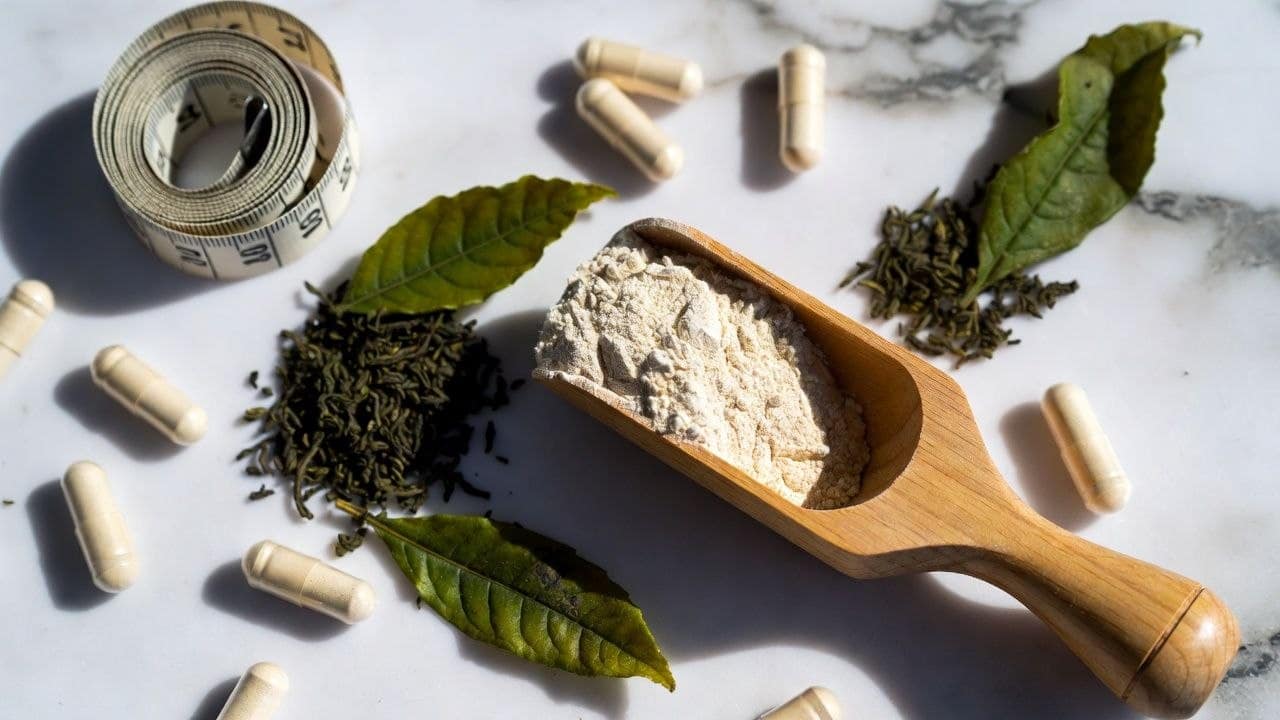
1. Protein (Powder or Ready-to-Drink) — Most Practical
Protein isn’t a “fat burner,” but it’s one of the most useful tools for beginners because it increases fullness, reduces cravings, and supports muscle maintenance during weight loss. A meta-analysis of 34 RCTs showed that higher protein intake preserves lean mass during caloric restriction, which helps maintain metabolic rate (PubMed: 26024494).
How to use it: Aim for a protein-forward breakfast or afternoon snack. If you struggle with hunger, a protein shake can help you avoid random snacking. Choose a simple whey or plant blend with a short ingredient list—avoid products loaded with artificial sweeteners or fillers.
Dosage: 20–30g per serving, 1–2 times daily, ideally with meals. Total daily protein goal: 1.2–1.6g per kg of body weight for weight loss.
2. Fiber (Psyllium, Glucomannan) — Appetite + Digestion Support
Fiber supplements can improve satiety and help some people stick to their calorie target. Glucomannan in particular has shown promising results—a study found that supplementation led to significant weight loss compared to placebo over 8 weeks (PubMed: 15614200).
How to use it safely:
- Start low (3–5g/day) to avoid bloating, increase gradually
- Always take with a full glass of water
- Separate from medications by at least 2 hours (fiber can reduce absorption)
Who benefits most: people who snack out of hunger or struggle with constipation during dietary changes.
3. Green Tea Extract / EGCG — Modest Metabolism Boost
Green tea is popular because it may slightly support metabolism and fat oxidation, though effects are typically modest and vary person-to-person. The active compound EGCG, combined with caffeine, has the most evidence behind it.
Important caution: Concentrated green tea extracts may not be for everyone, especially if you’re sensitive to caffeine or have liver concerns. Start with brewed green tea first before jumping to high-dose extracts. Stick to 200–400mg EGCG daily if using capsules.
4. CLA (Conjugated Linoleic Acid) — Manage Expectations
CLA is often marketed as a fat burner. In practice, a meta-analysis of 18 studies found that CLA produces a modest reduction in body fat—about 0.05 kg/week more than placebo (PubMed: 17490954). Not dramatic, but measurable when combined with exercise. Learn more in our detailed CLA weight loss guide.
Dosage: The clinical dose is 3.2g of CLA daily, typically 1250mg capsules taken 3x with meals. If you decide to try it, Sports Research CLA 1250mg (non-GMO safflower oil, third-party tested) matches the studied dosing protocol.
Beginner guideline: Don’t stack CLA with 5 other stimulants. Track how you feel for 2–3 weeks. If nothing changes after a month, cut it—don’t keep paying for hope.
5. Adaptogen Support (Indirect Weight Loss via Stress & Sleep)
This category doesn’t “burn fat,” but it can improve consistency by supporting stress resilience and sleep quality—two levers that strongly influence appetite, cravings, and cortisol-driven fat storage.
Ashwagandha, for example, has been shown in a 2017 study to reduce cortisol levels and stress-related food cravings (PubMed: 23439798). If emotional eating or poor sleep is derailing your progress, adaptogens may help more than any “fat burner.” For a clinically-studied option, Jarrow Formulas KSM-66 Ashwagandha uses the exact extract from the cortisol reduction studies.
If you want weight loss to stick, sleep and stress belong in the plan, not as an afterthought. See also: How Metabolism Affects Weight Loss.
Supplements Beginners Should Avoid
“Proprietary Blend Fat Burners”
If the label hides doses inside a “blend,” you can’t evaluate what you’re actually taking. These often rely on stimulants + hype and may contain undisclosed ingredients.
“Detox / Cleanse / Teatox”
Most of these are laxative-driven weight changes (water + gut contents), not fat loss. They can disrupt digestion and electrolyte balance long-term.
“Too Good to Be True” Pills
The FDA has found hundreds of weight-loss supplements tainted with undeclared drug ingredients. Beginner rule: if claims sound magical, assume it’s marketing—not physiology.
How to Choose a Weight Loss Supplement (Beginner Checklist)
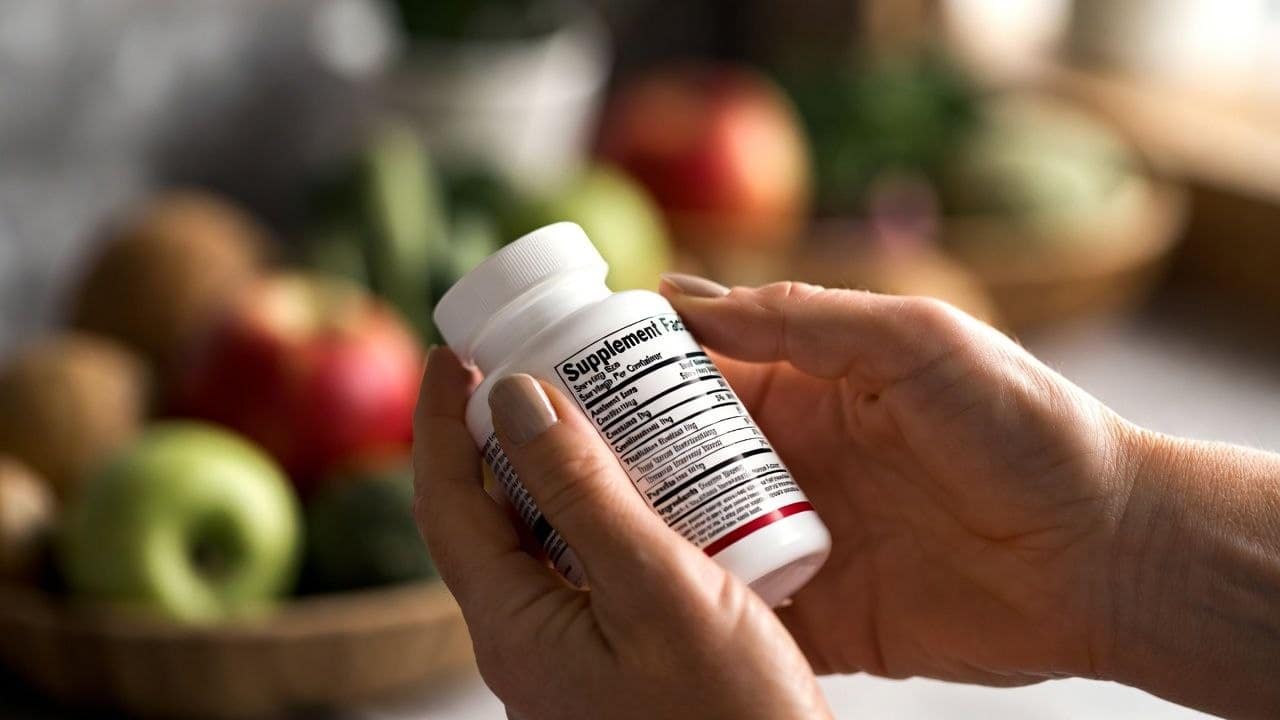
Use this checklist before you buy:
- Single-ingredient first. Multi-stacks make it impossible to know what helped—or what caused side effects.
- No “proprietary blends.” You want transparent dosing on every ingredient.
- Third-party testing. Look for NSF / USP / Informed Choice certifications.
- Start one at a time. Add only one new supplement every 2 weeks.
- Track one meaningful metric. Examples: hunger rating (1–10), evening snacking frequency, weekly waist measurement, or average daily steps.
A Simple Beginner Stack
If you want the simplest “starter kit,” this is usually enough:
- Protein — if you undershoot protein in meals (20–30g per serving)
- Fiber — if hunger/snacking is the main problem (5–10g glucomannan or psyllium)
- Green tea — tea first; extract only if tolerated (200–400mg EGCG)
Everything else is “advanced” and should only be added if you have a clear reason and have been consistent with basics for at least 4 weeks.
The Foundation: Diet + Movement + Sleep
If you’re new, your biggest wins usually come from a repeatable meal structure, higher protein + fiber intake, daily walking (aim for 8,000–10,000 steps), and consistent 7–8 hours of sleep. Supplements only help if they improve adherence to these basics.
For a strong foundation, pair this guide with our natural ways to lose weight overview.
FAQ
Do weight loss supplements work without dieting?
Usually no. At best, supplements provide a small advantage—typically 1–3 kg over several months. Sustainable fat loss still requires an energy deficit through diet and exercise. Think of supplements as a 5–10% boost on top of the fundamentals.
How long should I try a supplement before deciding if it’s effective?
Give it 2–4 weeks for appetite, energy, or adherence effects. For body composition changes (like CLA), allow 8–12 weeks. If nothing changes after that window, stop and save your money.
Can I combine several supplements at once?
Beginners shouldn’t. Start one at a time with 2-week gaps between additions. Stacking increases side effect risk and makes troubleshooting impossible. Once you know what works for you individually, careful combinations are fine.
Are natural weight loss supplements safe?
“Natural” doesn’t automatically mean safe. Some herbal products interact with medications or contain undisclosed ingredients. Stick to single-ingredient, third-party tested products from reputable brands, and consult your doctor if you take any medications.
Conclusion
Weight loss supplements can be useful—but only when they support the fundamentals of a healthy lifestyle. For most beginners, the best first choices are protein and fiber, plus lifestyle-friendly tools like green tea. Be cautious with aggressive “fat burner” blends and always prioritize transparency, safety, and realistic expectations.
If you build the base first (food, movement, sleep), supplements become a smart add-on instead of a costly distraction.
Related Articles
👉 CLA for Weight Loss: Does It Actually Work?
👉 Green Tea Benefits for Weight Loss
👉 Garcinia Cambogia: What the Evidence Says
👉 Apple Cider Vinegar for Weight Loss
As an Amazon Associate, piewell.com earns from qualifying purchases.