

If you’re trying to lose weight naturally, green tea is one of the simplest habits you can add. The green tea benefits for weight loss come mostly from its catechins (especially EGCG) and mild caffeine, which may support metabolism and fat oxidation over time. It’s not a “fat burner” miracle, but it can help when paired with the right basics—sleep, food quality, and consistent movement.
Want the big-picture foundation first? Start here: Natural Ways to Lose Weight

How Green Tea May Help With Weight Loss
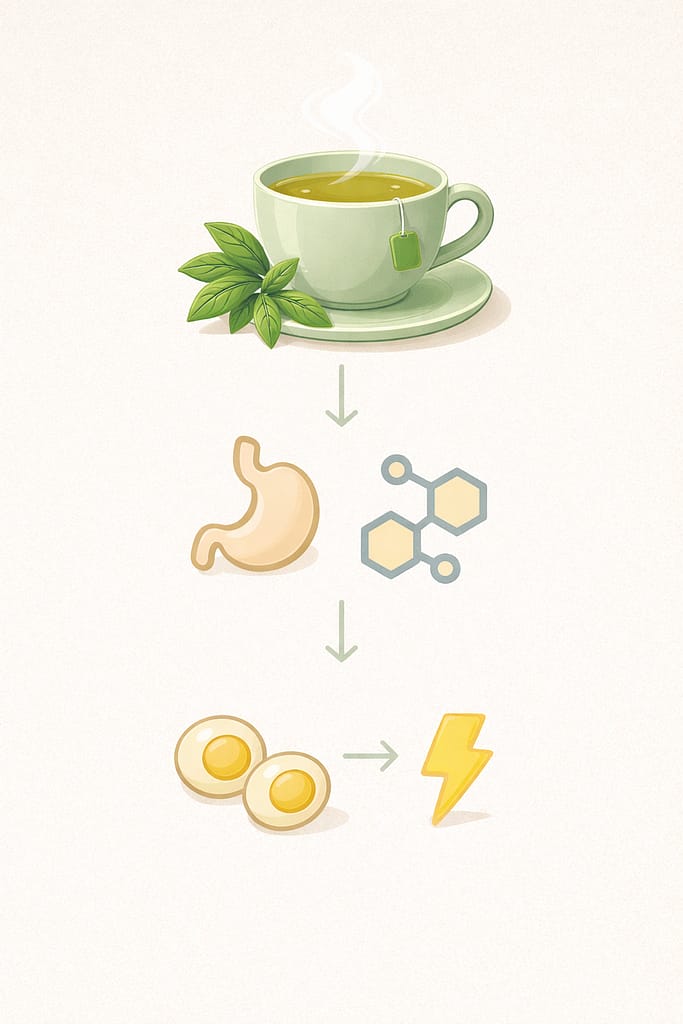
Green tea contains a combination of bioactive compounds that have been studied in relation to body weight and metabolism. Its key catechin, epigallocatechin gallate (EGCG), together with natural caffeine, may help increase fat oxidation and energy expenditure. According to a review published in the International Journal of Obesity, green tea catechins, when combined with caffeine, have shown a consistent positive effect on fat metabolism across multiple clinical studies.
✅ Recommended: Bragg Organic Raw Apple Cider Vinegar, 32oz
Pair green tea with ACV for metabolism support. Raw, unfiltered, “with the mother”.
Check Price on Amazon →As an Amazon Associate, piewell.com earns from qualifying purchases.
For a science-backed overview, you can reference this research summary on PubMed here:
PubMed — Green tea catechins, caffeine and body-weight regulation
And if you want to understand the “engine” behind results, read this next (it pairs perfectly with this article):
How Metabolism Affects Weight Loss
How Much Green Tea Should You Drink?
A practical range for most people is 2–3 cups per day.
Best timing ideas:
- Morning or early afternoon (to avoid sleep disruption)
- Between meals (so it doesn’t replace real nutrition)
- Before a walk (many people prefer it pre-activity)
If you’re sensitive, don’t drink it late. Better sleep often improves weight loss outcomes more than any “fat-burning drink.” If you need a sleep reset, use this guide:
How to Improve Sleep Quality (Proven Tips)
How to Brew Green Tea Correctly (So It Actually Works)
Brewing can affect taste and catechin preservation.
Do this:
- Water temperature: 70–80°C (not boiling)
- Steep: 2–3 minutes
- Don’t add sugar (this defeats the point)
If you want flavour without sugar:
- Lemon slice
- Mint
- Cinnamon (light)
Green Tea vs Coffee for Weight Loss
Both can support performance and energy, but green tea usually feels “smoother.”
Green tea tends to:
- cause fewer jitters
- Be gentler on digestion
- provide more antioxidants per cup
Coffee can be stronger, but some people overdo it, which can impact stress and sleep. If stress is a factor for you, adaptogens can sometimes be relevant:
Adaptogens for Mental Clarity and Stress Relief
Common Mistakes That Kill Results
Avoid these:
- Bottled “green tea” drinks
Most contain added sugar or low active compounds. - Drinking it late and ruining sleep
Poor sleep can blunt fat loss progress. - Thinking green tea replaces diet
Green tea supports the process; it doesn’t replace calorie control or protein intake. - Too much too fast
Some people get stomach irritation. Start with 1 cup daily.
Conclusion:
The benefits of green tea for weight loss are real, but they are gradual. Green tea works best as a consistent daily habit alongside a solid routine—better sleep, balanced meals, and steady movement. If you keep it simple (2–3 cups, brewed correctly, no sugar), it becomes a low-effort addition that can support long-term results.
Related Articles
👉 Natural Weight Loss Supplements
👉 Intermittent Fasting for Weight Loss