

Many people searching for natural weight loss solutions come across garcinia cambogia. It is often marketed as a fat-burning miracle, but does it really work that way? In reality, the effects of garcinia cambogia are more nuanced — and understanding them can help you avoid disappointment or health risks.
In this guide, we break down how garcinia cambogia works, what research actually shows, who should avoid it, and how to use it responsibly if you choose to try it.
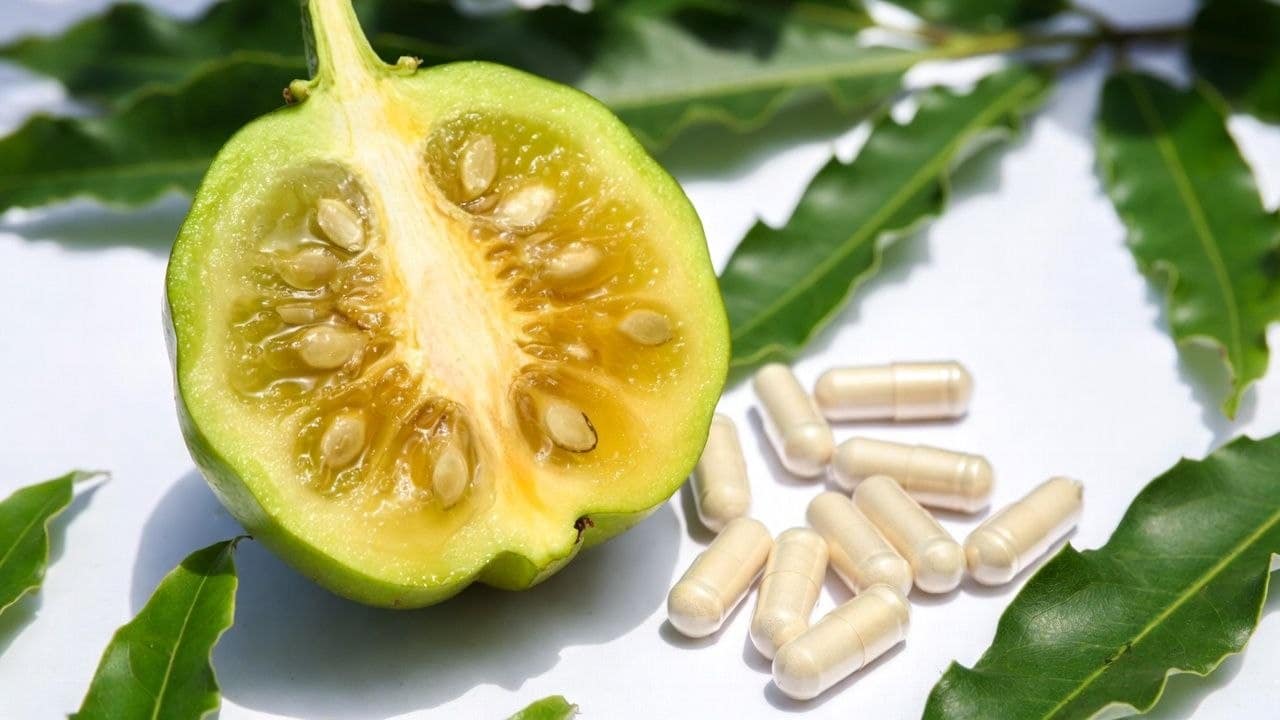
What Is Garcinia Cambogia?
Garcinia cambogia is a tropical fruit native to Southeast Asia. Its peel contains hydroxycitric acid (HCA) — the compound believed to influence appetite and fat metabolism.
Historically, people used the fruit in cooking and traditional medicine. Today, supplement manufacturers extract and concentrate HCA, which significantly alters both its effects and its risk profile.
How Garcinia Cambogia Is Supposed to Work
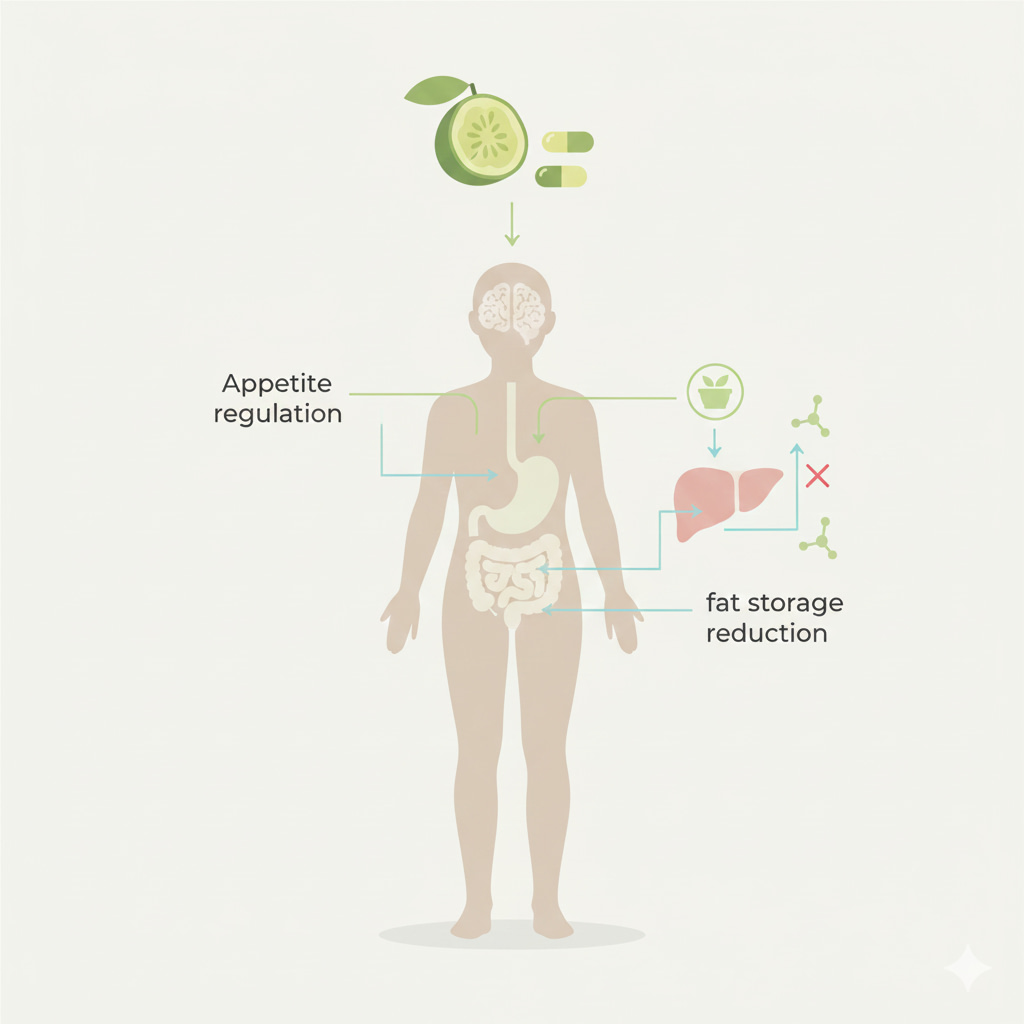
Supplement companies often promote multiple benefits. From a scientific perspective, however, researchers mainly discuss two core mechanisms:
1. Appetite Regulation
First of all, HCA may increase serotonin levels in the brain. As a result, some people experience reduced appetite and fewer cravings, especially emotional eating.
2. Fat Production Inhibition
Additionally, garcinia cambogia may inhibit an enzyme involved in fat storage. However, this effect appears to be mild and highly dependent on diet and lifestyle.
👉 Important: Neither mechanism leads to rapid or dramatic weight loss on its own.
What Does Science Say?
Overall, research results are mixed.
- Some studies show small short-term weight loss
- Others find no significant difference compared to the placebo
- Most benefits disappear without calorie control
According to a review published by the National Institutes of Health, weight loss effects are generally modest and inconsistent.
🔗 https://www.ncbi.nlm.nih.gov/pmc/articles/PMC5452224/
In other words, garcinia cambogia is not a shortcut, but at best a supportive tool.
Common Myths About Garcinia Cambogia (Improved Readability)
Myth: It burns fat quickly
In reality, Most evidence points to appetite reduction rather than fat burning, and even that effect varies widely.
Myth: It works without diet changes
In practice, any noticeable result depends on calorie control and consistency over time.
Myth: Natural means completely safe
However, even natural supplements can cause serious side effects when misused.
Potential Side Effects and Safety Concerns
While many users tolerate garcinia cambogia well, some report adverse effects.
Possible Side Effects:
- headaches or dizziness
- digestive discomfort
- mood changes
- liver-related complications (rare but documented)
Because of this, garcinia cambogia should be avoided by:
- people with liver conditions
- individuals taking antidepressants
- Anyone expecting rapid or extreme weight loss
For safety guidance, Harvard Health warns against assuming supplements are risk-free.
🔗 https://www.health.harvard.edu/staying-healthy/dietary-supplements-do-they-help-or-hurt
How to Use Garcinia Cambogia Safely
If you decide to try it, consider the following guidelines:
- Choose standardized extracts (50–60% HCA)
- Avoid combining with other stimulants
- Use it alongside a balanced diet
- Stop immediately if side effects appear
Most importantly, view garcinia cambogia as optional support, not a solution.
Garcinia Cambogia vs. Other Weight Loss Supplements
Before investing in Garcinia Cambogia, it helps to compare it honestly against other commonly used supplements.
| Supplement | Key Mechanism | Evidence Level | Typical Result |
|---|---|---|---|
| Garcinia Cambogia | HCA appetite suppression | Weak to moderate | Minimal in most studies |
| Green Tea Extract | Thermogenesis + caffeine | Moderate | 0.2–0.3 kg/month |
| Glucomannan (fiber) | Appetite reduction | Strong | 0.3–0.4 kg/month |
| Protein powder | Satiety + muscle preservation | Very strong | Indirect, consistent |
| CLA | Fat oxidation | Moderate (mixed) | 0.1–0.2 kg/month |
Based on current evidence, Garcinia Cambogia ranks among the weaker options for direct fat loss. Fiber-based supplements and protein consistently outperform it in clinical research.
Natural Food Alternatives to Garcinia Cambogia
If you want appetite control and metabolic support without supplementation, several everyday foods offer comparable or better benefits:
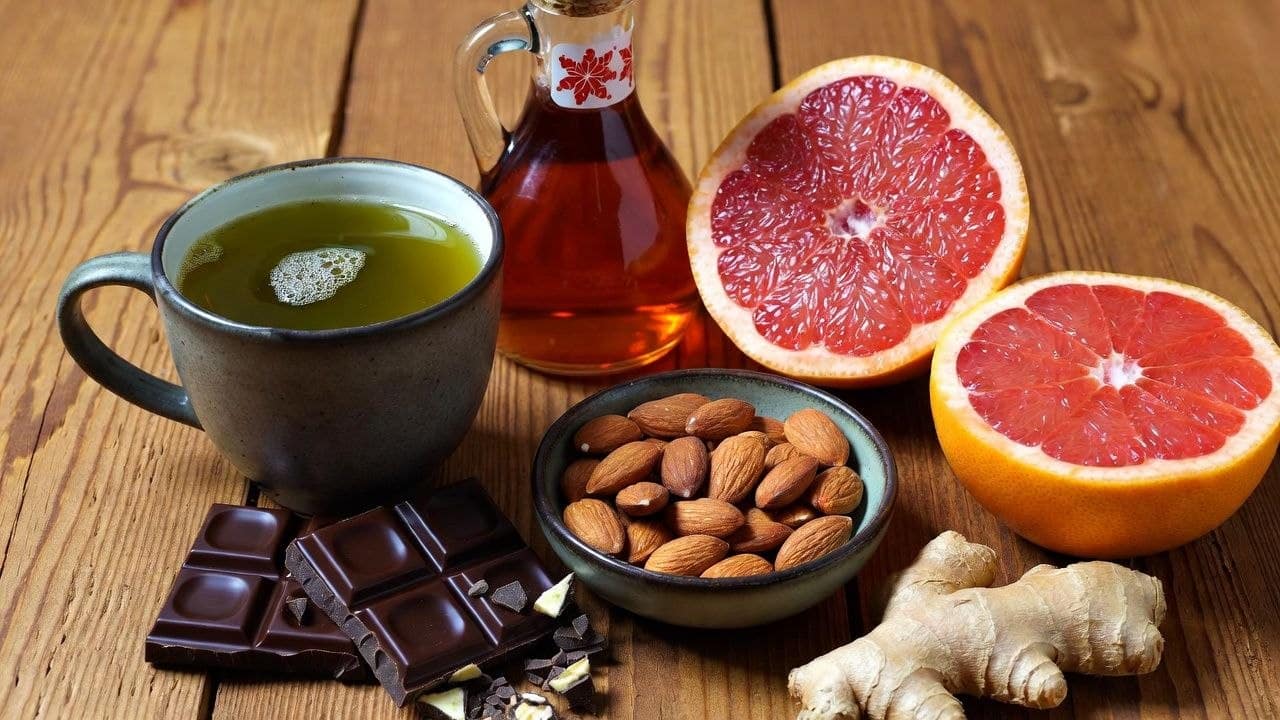
- Apple cider vinegar — may reduce appetite and improve insulin sensitivity when taken before meals
- Green tea — contains EGCG and caffeine for mild thermogenic effects
- High-fiber vegetables — broccoli, legumes, and leafy greens slow digestion and reduce calorie intake naturally
- Lean protein at each meal — keeps hunger hormones (ghrelin) in check for hours
- Water before meals — drinking 500ml of water 30 minutes before eating can reduce calorie intake by 13% (source: PubMed)
How to Use Garcinia Cambogia Safely
If you decide to try Garcinia Cambogia after speaking with your doctor, following these guidelines reduces your risk of side effects. For a comprehensive, regularly updated review of all garcinia cambogia research, see Examine.com’s garcinia analysis.
Dosage Guidelines
- Standard dose: 500–1,000 mg taken 30–60 minutes before meals
- HCA concentration: Look for products with 50–60% HCA standardized extract
- Daily maximum: Do not exceed 2,800 mg per day
- Cycle: Use for no longer than 12 weeks continuously; take a break before resuming
What to Look for on the Label
- 50%+ HCA clearly stated
- Third-party tested (NSF, USP, or Informed Sport certification)
- No proprietary blends hiding actual amounts
- Free from artificial fillers, binders, and undisclosed ingredients
Who Should Avoid Garcinia Cambogia
Despite its widespread availability, Garcinia Cambogia is not appropriate for everyone.

- Pregnant or breastfeeding women — insufficient safety data
- People with liver disease — rare but documented cases of liver injury linked to Garcinia products
- Those on diabetes medication — HCA may lower blood sugar further, causing dangerous drops
- People taking statins — potential interaction with cholesterol-lowering drugs
- Anyone with a history of mania or depression — HCA may affect serotonin levels
The Bottom Line: Is Garcinia Cambogia Worth It?
Garcinia Cambogia is not a scam, but it is significantly overhyped. In controlled studies, the weight loss attributed to HCA is small, inconsistent, and usually not clinically meaningful. It does not replace a calorie deficit, regular exercise, or sustainable dietary habits.
If you are looking for genuine weight management support, explore evidence-based strategies in our Sustainable Weight Loss Plan guide, or check the broader landscape of options in our Natural Weight Loss Supplements: Beginner’s Guide.
Most studies showing any effect used 8–12 weeks of supplementation. You should not expect noticeable changes before 4–6 weeks at minimum, and individual results vary significantly.
No single supplement is clearly “best” for weight loss. Evidence suggests fiber-based supplements (like glucomannan) and protein have more consistent effects than garcinia cambogia. CLA and green tea extract also show comparable or better results in studies.
No. Garcinia cambogia has not been shown to produce significant weight loss without accompanying dietary changes and physical activity. It may offer minor appetite-suppressing support at best.
Clinical studies typically use 500–1000mg of garcinia cambogia extract (standardized to 50–60% HCA) taken 30–60 minutes before meals, 2–3 times per day. Do not exceed 2800mg daily.
Short-term use (up to 12 weeks) appears safe for most healthy adults at recommended doses. However, it may interact with diabetes and cholesterol medications, and rare cases of liver toxicity have been reported. Always consult your doctor before use.
Conclusion:
Garcinia cambogia is often misunderstood. While it may help some people control appetite, it does not deliver dramatic fat loss and carries potential risks. Used carefully and with realistic expectations, it can be part of a broader weight management strategy — but never the foundation of one.
Some links in this article are affiliate links. As an Amazon Associate, PIEWell earns from qualifying purchases — at no extra cost to you. We only recommend products we’ve researched thoroughly.
Related Articles
👉 Meal Prep Ideas for Weight Loss
👉 How Metabolism Affects Weight Loss