
Introduction
Many people struggle with poor sleep due to stress, screen time, and irregular routines. Magnesium for sleep has become one of the most researched and popular natural options to support relaxation and nighttime rest. While it’s not a cure for insomnia, magnesium can help calm the nervous system and prepare the body for deeper, more restorative sleep.
What Is Magnesium and Why Does It Matter for Sleep
Magnesium is an essential mineral involved in over 300 biochemical reactions in the body. It plays a crucial role in muscle relaxation, nerve function, and regulating stress hormones. Low magnesium levels are associated with restless sleep, increased anxiety, muscle tension, and difficulty falling asleep.
Because magnesium helps activate the parasympathetic nervous system—the “rest and digest” mode—it creates the optimal internal environment for better sleep quality.
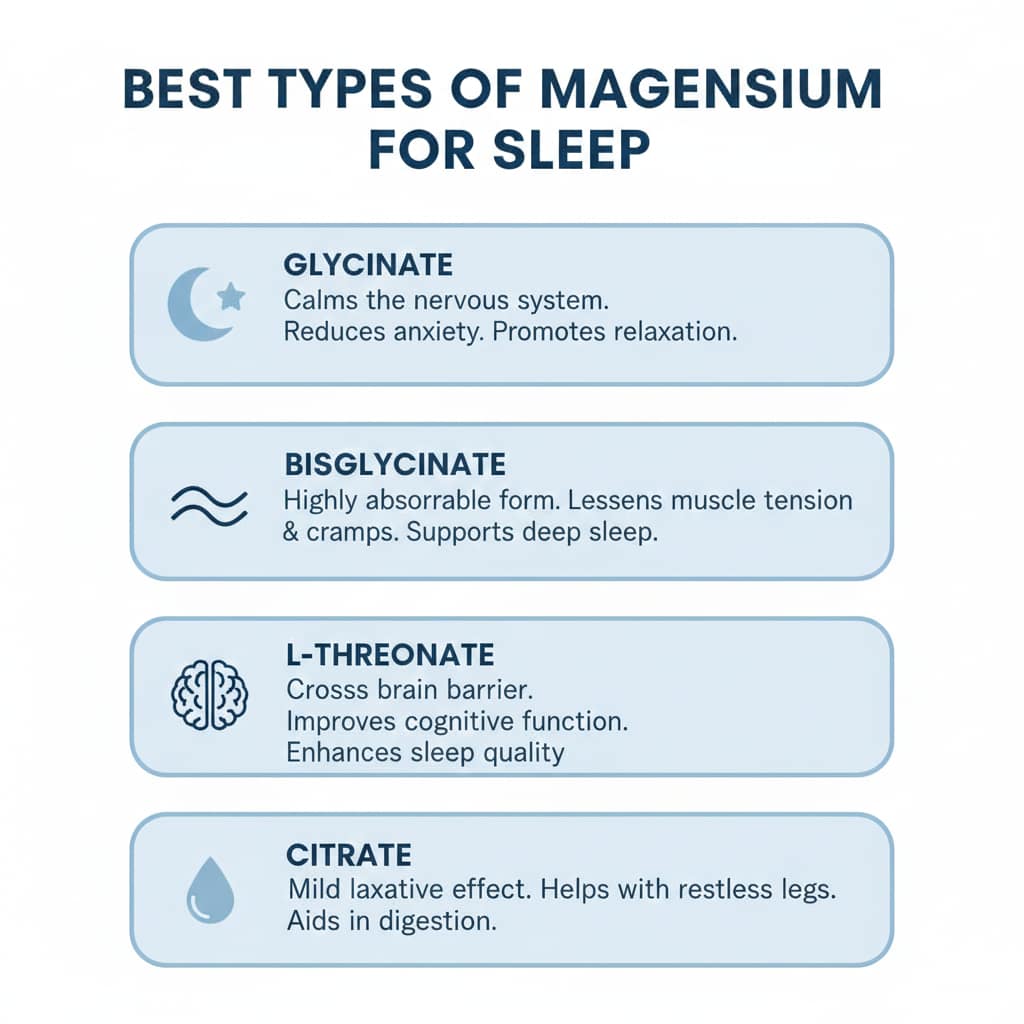
Best Types of Magnesium for Sleep
Not all magnesium supplements are created equal. Some forms are better absorbed and specifically supportive of relaxation.
1. Magnesium Glycinate
One of the best forms of sleep.
- Highly absorbable
- Gentle on the stomach
- Helps reduce tension and support calmness
2. Magnesium Bisglycinate
A slightly different bonding structure but similar benefits:
- Excellent for nighttime relaxation
- Very low chance of digestive discomfort
3. Magnesium L-Threonate
Known for its effects on the brain:
- Supports cognitive function
- May help reduce anxious thoughts at night
- Crosses the blood–brain barrier
4. Magnesium Citrate
Works well for relieving muscle tension, but:
- Can have a mild laxative effect
- Better for evening use rather than right before bed
How Magnesium Supports Better Sleep
Magnesium promotes sleep in several key ways:
- Regulates GABA, the neurotransmitter responsible for calming the brain
- Reduces cortisol, the stress hormone that can interfere with rest
- Relaxes muscles, improving physical comfort at night
- Supports melatonin production, helping the body maintain a healthy sleep–wake cycle
These combined effects make magnesium one of the easiest foundational strategies for improving sleep quality naturally.
How to Take Magnesium for Better Sleep
To get the most benefit from magnesium:
When to take it
- Ideally, 1–2 hours before bedtime
- Can be taken earlier in the evening if you prefer a gradual calming effect
How to take it
- Capsules or tablets
- Powdered forms mixed with warm water
- “Calming drinks” are designed for nighttime relaxation
General guidelines
- Start with a moderate dose
- Increase slowly if needed
- Avoid taking on an empty stomach if prone to digestive sensitivity
- Always follow the supplement’s instructions
Important: Consult your doctor if you have kidney issues, take medications, or have chronic health conditions.
Possible Side Effects and Safety
Magnesium is generally well-tolerated, but mild side effects can occur:
- Digestive discomfort (mostly from citrate)
- Loose stools if the dose is too high
- Slight drowsiness if taken earlier in the day
Avoid exceeding recommended daily amounts. If you are pregnant, nursing, or taking prescription medications, speak with a healthcare professional before use.
Recommended Magnesium Supplements for Sleep
Here are popular, high-quality forms commonly used for nighttime support:
- Magnesium Glycinate (gentle and calming)
- Bisglycinate blends
- L-Threonate formulas for cognitive relaxation
- Magnesium “sleep drink” blends with added calming herbs
Conclusion:
Magnesium is one of the simplest and most effective natural tools for improving sleep quality. Supporting the nervous system, reducing stress, and promoting physical relaxation, it can help create the ideal environment for restful nights. For optimal results, combine magnesium for sleep with healthy sleep hygiene practices, such as limiting screen time, establishing a calming evening routine, and maintaining a consistent sleep schedule.