
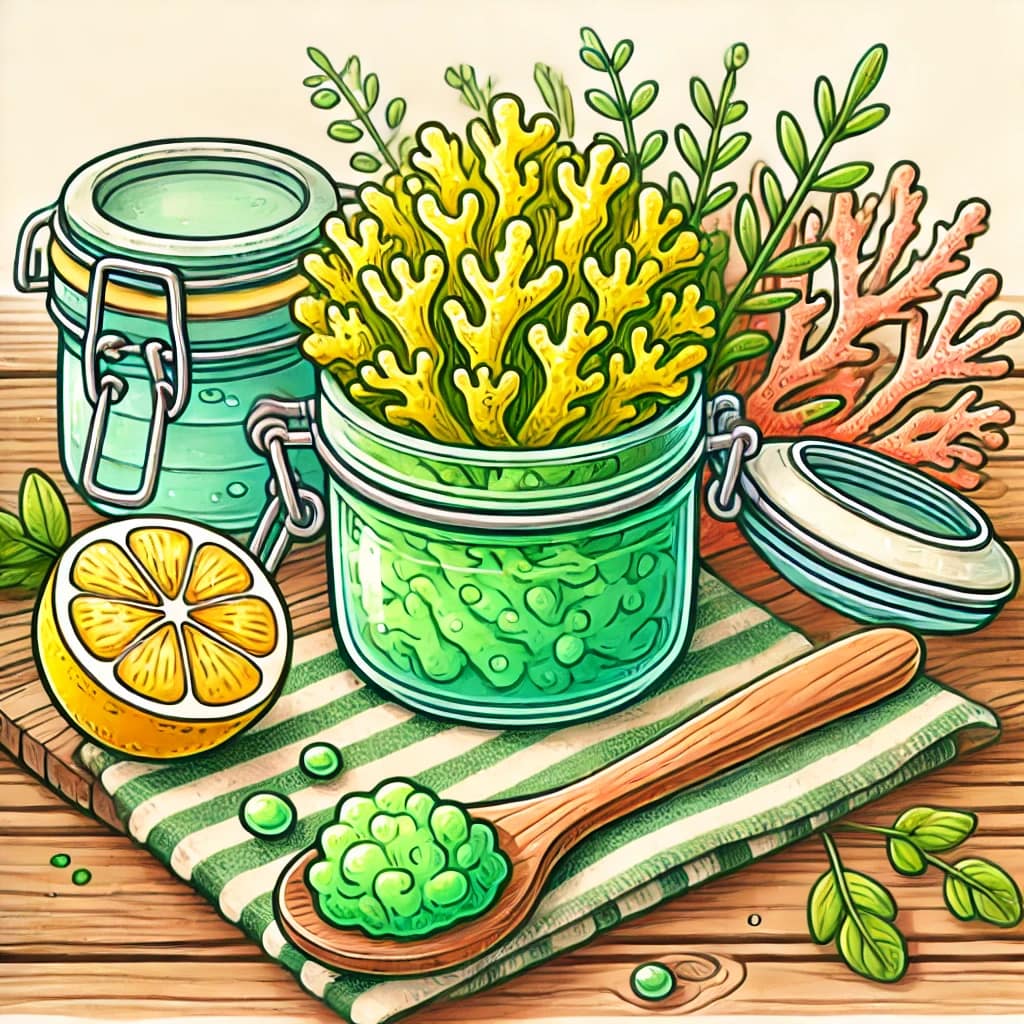
Sea moss has exploded into mainstream wellness culture in recent years — and for once, the hype has genuine scientific substance behind it. This remarkable red algae (Chondrus crispus, also called Irish moss) has been used as a food and medicine in Ireland, Jamaica, and coastal communities worldwide for centuries. Modern nutritional analysis reveals why: sea moss is one of the most mineral-dense whole foods on Earth, with benefits spanning thyroid health, gut function, immunity, skin, and energy.
What Is Sea Moss?
Sea moss is a species of red algae that grows along the rocky coastlines of the Atlantic — particularly Ireland, Iceland, the Caribbean, and North America. It thrives in cold, nutrient-rich ocean water and absorbs minerals directly from its environment, which is why its nutritional profile is so extraordinarily dense.
Sea moss has been consumed in Ireland for over 400 years — historically used to thicken soups and stews (it contains carrageenan, a natural gelling agent) and as a medicinal food during times of illness and famine. In the Caribbean, a traditional drink of sea moss blended with milk, cinnamon, and vanilla has been used for centuries as a tonic for energy, immunity, and male vitality.
Nutritional Profile: Why “92 Minerals” Is Misleading (and the Truth Is Still Impressive)
You may have seen claims that sea moss contains “92 of the 102 minerals the human body needs.” This specific figure is unverified and likely exaggerated marketing — but the underlying nutritional density is real and impressive. Sea moss does contain a broad spectrum of minerals including iodine, potassium, calcium, magnesium, iron, zinc, manganese, selenium, and phosphorus — along with vitamins A, C, E, K, and several B vitamins.
Per 100g, sea moss provides: roughly 49mg of magnesium, 157mg of calcium, 67mg of potassium, and notable amounts of iron and zinc — alongside prebiotic fiber and a unique class of sulfated polysaccharides with confirmed bioactive properties. The complete nutritional picture makes it genuinely worthy of “superfood” classification.
1. Thyroid Support via Iodine
Sea moss is one of the richest natural sources of iodine — the mineral most critical for thyroid hormone production. Your thyroid hormones (T3 and T4) regulate metabolism, energy production, body temperature, heart rate, and brain development. Iodine deficiency — the world’s most common preventable cause of brain damage and one of the leading causes of hypothyroidism — affects an estimated 2 billion people globally, largely due to declining seafood and iodized salt consumption.
For people with low thyroid function related to iodine deficiency, sea moss can be genuinely restorative. However, this is a double-edged benefit: too much iodine is also harmful, particularly for people with Hashimoto’s thyroiditis or hyperthyroidism. Iodine content in sea moss varies significantly by source and preparation. Those with thyroid conditions should consult a healthcare provider before using sea moss regularly.
2. Gut Health and Prebiotic Support
Sea moss contains significant amounts of soluble fiber and sulfated polysaccharides — particularly carrageenan and fucoidan — that act as prebiotics, feeding beneficial gut bacteria. A healthy gut microbiome is now understood to influence immunity, mood, metabolism, inflammation, and even cognitive function through the gut-brain axis.
Animal studies demonstrate sea moss polysaccharides increase populations of beneficial bacteria (Bifidobacterium, Lactobacillus) while reducing pathogenic bacteria. The gel-like consistency of sea moss also forms a protective coating on the gut lining, potentially reducing inflammation and supporting the mucosal barrier. A 2021 pilot study found sea moss supplementation improved gut microbiome diversity in human participants — a promising early finding that warrants further research.
3. Immune System Support
Sea moss is rich in antioxidants, including vitamins C and E, beta-carotene, and unique compounds like phlorotannins found in marine algae. These antioxidants neutralize free radicals and reduce systemic oxidative stress — a key driver of immune suppression and chronic disease.
Its sulfated polysaccharides — particularly carrageenan and fucoidan — have demonstrated antiviral activity in laboratory studies against several viruses including influenza and herpes simplex virus. They appear to work by blocking viral attachment to host cells. While in vitro results don’t automatically translate to human clinical benefits, these mechanisms align with sea moss’s traditional use for respiratory illness and immune support.
The zinc content of sea moss also contributes to immune function — zinc is essential for T-cell development and function, and deficiency significantly impairs immune response.
4. Energy and Iron for Fatigue
Sea moss is a notable plant-based source of iron — providing approximately 1.7mg per tablespoon (about 9% of the daily recommended intake). Iron deficiency is the most common nutritional deficiency worldwide and one of the leading causes of fatigue, particularly in women of reproductive age. Without adequate iron, your red blood cells can’t carry enough oxygen to your cells, resulting in persistent tiredness, brain fog, and exercise intolerance.
Note that plant-based iron (non-heme iron) is less bioavailable than animal-source iron. Consuming sea moss with vitamin C-rich foods significantly enhances non-heme iron absorption — a simple pairing that maximizes this benefit.
5. Skin Health
Sea moss has gained popularity in natural skincare — both as a topical ingredient and through internal consumption. Its high sulfur content supports collagen production (sulfur is required for cross-linking collagen fibers), while its antioxidants protect against UV-induced oxidative damage. Citrulline-arginine compounds in sea moss stimulate skin cell growth and improve circulation to the skin.
Topically, sea moss gel (directly applied) is deeply hydrating due to its polysaccharide content, which forms a moisture-retaining film on the skin. It has mild antimicrobial and anti-inflammatory properties that may benefit acne-prone or sensitive skin. While clinical trials specifically on topical sea moss are limited, its ingredient profile aligns well with established skincare science.
How to Use Sea Moss
| Form | How to Use | Best For |
|---|---|---|
| Raw gel (soaked + blended) | Add 1–2 tbsp to smoothies, soups, sauces | General nutrition, gut health |
| Capsules/powder | Follow label dosing (typically 1–2g) | Convenience, consistent dosing |
| Sea moss drink | Blend gel with plant milk, cinnamon, vanilla | Energy tonic, traditional use |
| Topical gel | Apply to clean face, leave 15–20 min | Skin hydration, acne support |
Who Should Use Caution
- Thyroid conditions — high iodine content can worsen hyperthyroidism or Hashimoto’s; consult a doctor
- Blood thinners — sea moss has mild anticoagulant properties
- Pregnancy — consult healthcare provider due to iodine content
- Carrageenan sensitivity — some people with IBD report sensitivity to processed carrageenan (different from whole sea moss, but worth noting)
Conclusion
Sea moss earns its superfood status through genuine nutritional density and a range of evidence-backed benefits: thyroid support, gut health, immune function, energy, and skin health. It’s particularly valuable as a mineral-rich whole food supplement — something increasingly rare in the modern diet.
Start with 1–2 tablespoons of sea moss gel daily in smoothies or food. Choose wild-harvested, non-GMO sources from clean waters, and if you have any thyroid condition, get professional guidance on appropriate amounts. Used thoughtfully, sea moss is a genuinely useful addition to a health-focused diet.
Explore more superfoods: Top 5 Medicinal Herbs and Brain Boosting Supplements.
Some links in this article are affiliate links. As an Amazon Associate, PIEWell earns from qualifying purchases — at no extra cost to you. We only recommend products we’ve researched thoroughly.
Scientific References
- 📄 Bioactive compounds in seaweed — PubMed
- 📄 Nutritional value of edible seaweeds — PubMed
Related Articles
👉 How to Increase Energy Naturally